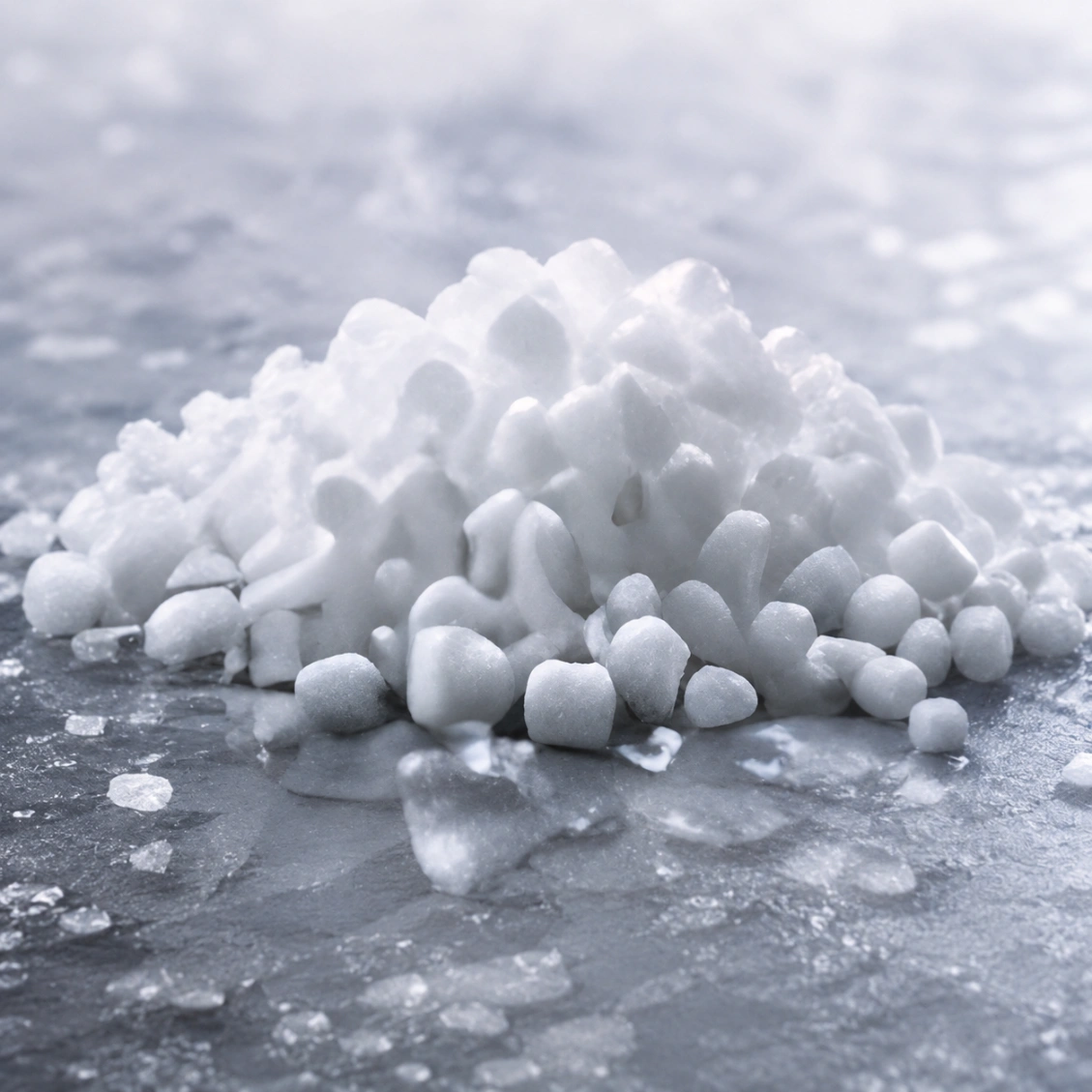
DRY ICE

Dry Ice for Industry, Transport and Special Effects

We produce and supply dry ice pellets in 3 mm, 10 mm and 16 mm sizes. Our solutions are suitable for refrigeration, temperature-controlled transport, laboratories and technical cleaning applications.

Sales

Standard Dry Ice

3 mm Pellets

For dry ice cleaning and industrial applications.
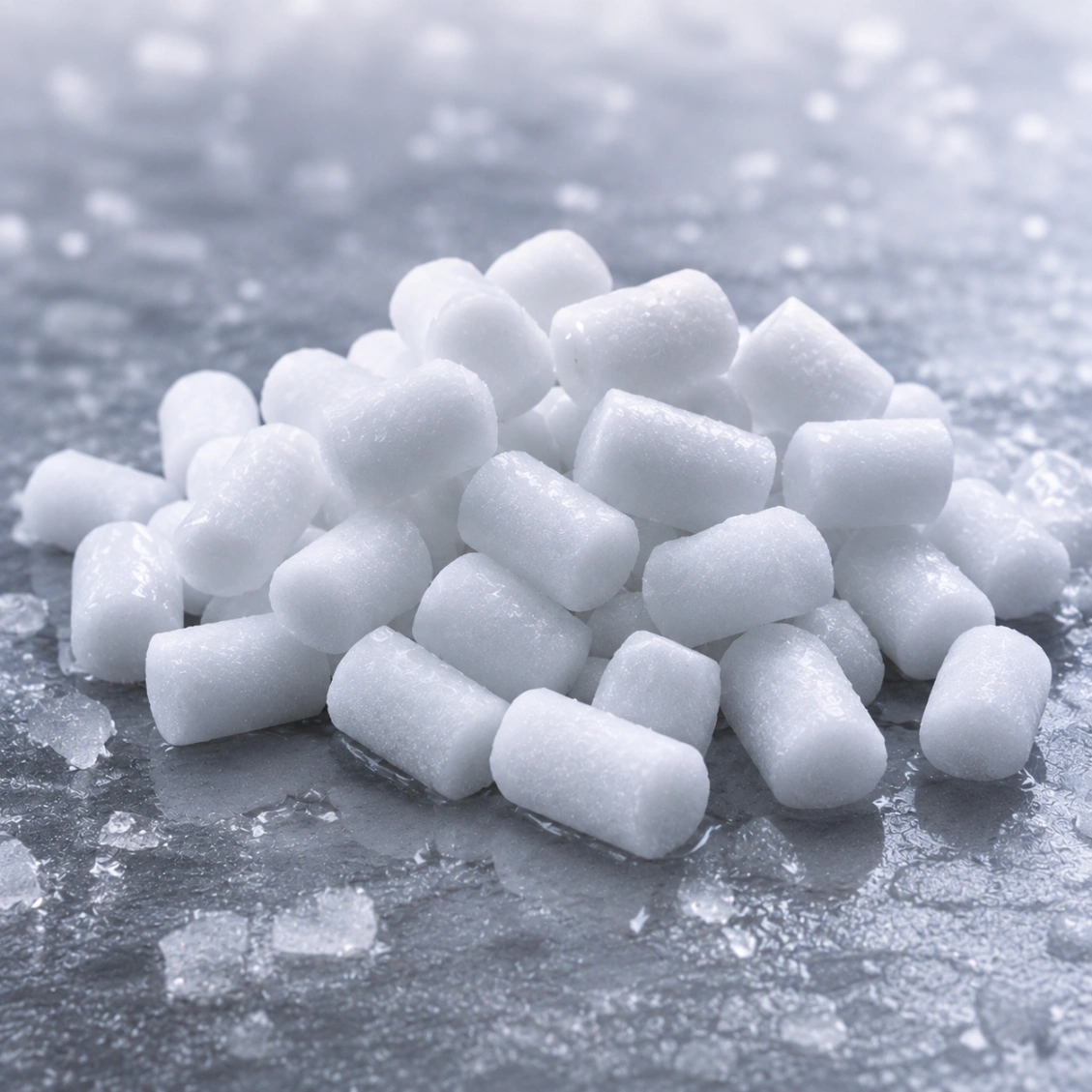
10 mm Pellets

For a wide range of transport and refrigeration applications.
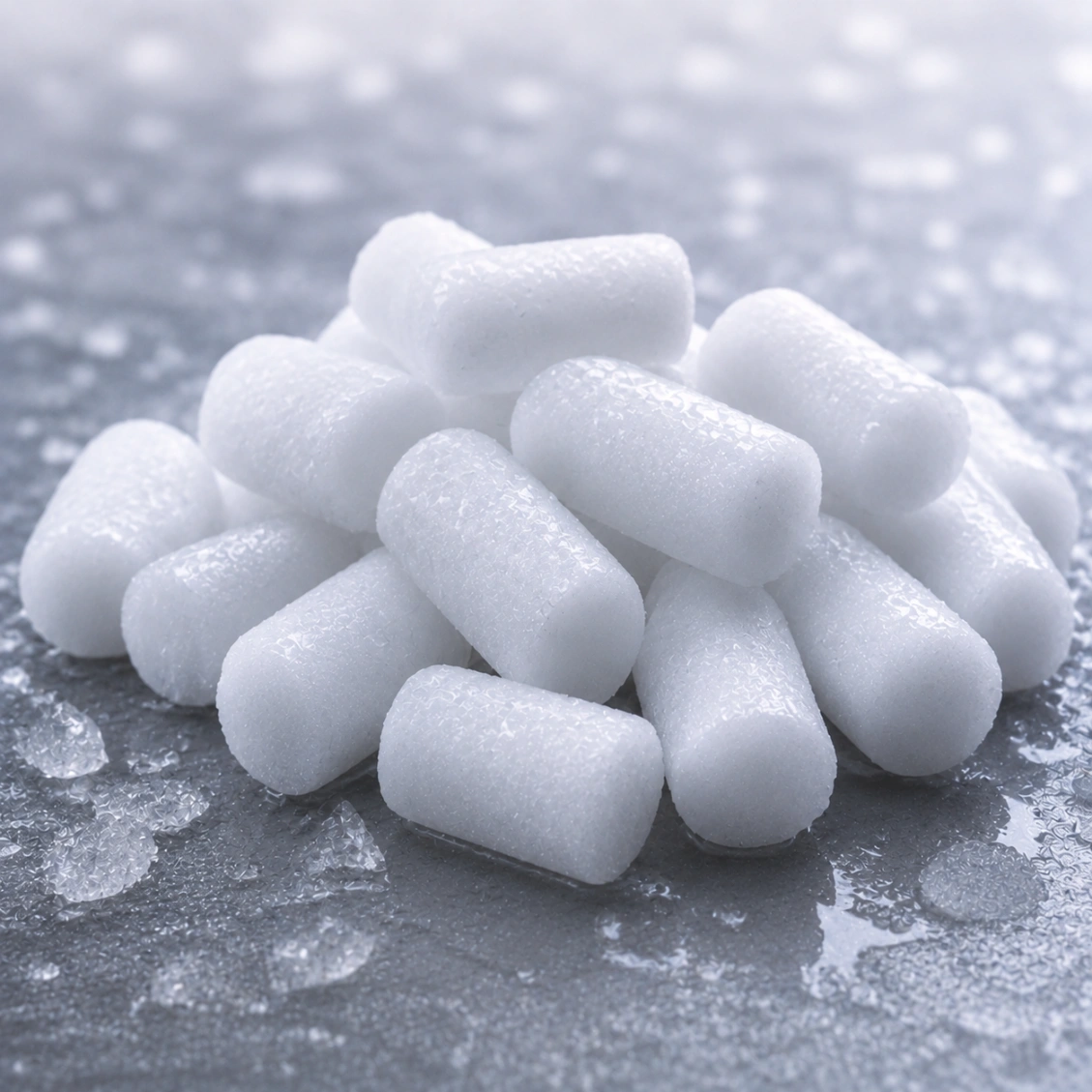
16 mm Pellets

For transport and long-term temperature maintenance.

MELFORM CONTAINERS

Professional containers for the transport and storage of dry ice.

DrIcy150
Volume: 150 l
Application:
Transport and storage of dry ice
DrIcy360
Volume: 360 l
Application:
For longer-distance transport and larger quantities of dry ice.
DrIcy540
Volume: 540 l
Application:
Industry, Logistics and Refrigerated Transport

Storage and Transport Containers – Styrofoam Boxes

We offer a range of containers, including professional-grade transport and storage units.

Collection in person is available at our premises: Armii Poznań 2e, 62-030 Luboń, Poland.


Monday to Friday from 8:00 a.m. to 4:00 p.m., and Saturday from 8:00 a.m. to 12:00 p.m. Alternatively, you can arrange for a courier to collect the order from us.


We can also arrange courier delivery on your behalf. The cost depends on the delivery location.

5 kg – PLN 22 net

10 kg - PLN 40 net

20 kg - PLN 55 net

25 kg - PLN 60 net

70 kg - PLN 120 net

What Is Dry Ice?

Dry ice is carbon dioxide (CO₂) in its solid state. Unlike ordinary water ice, it is distinguished primarily by:
Dry ice sublimates, meaning it changes directly from a solid to a gas. As a result, it leaves no moisture behind and is used in a wide range of industries:

Transport and Refrigeration

Laboratories and Industry

Industrial Cleaning

Catering and Entertainment

Advantages of Dry Ice

Very low temperature

Wide range of applications

Food-safe

Natural, colorless and odorless product

Efficient cooling and longer temperature retention

Leaves no moisture or residue – sublimates directly into gas


Applications

Transport

Cooling of food, vaccines, medical preparations and temperature-sensitive products requiring stable temperature control.

Catering

An ideal solution for cooling food products and transporting catering supplies.

Cleaning

A modern industrial cleaning method that requires no chemicals and does not damage surfaces.

Laboratories

Applications in processes requiring extremely low temperatures.

Entertainment

Creating fog effects for photography, film productions, events and catering.

Jak działa czyszczenie suchym lodem?

1.

Nazwa kroku 1
Granulat suchego lodu zostaje rozpędzony pod wysokim ciśnieniem.

2.

Nazwa kroku 1
Szokowe schłodzenie powoduje utratę przyczepności zabrudzeń.

3.

Nazwa kroku 1
Zanieczyszczenia zostają oddzielone od powierzchni.

4.

Nazwa kroku 1
Suchy lód sublimuje bez pozostawiania odpadów.

Safety

Ventilation

CO₂ is heavier than air, so adequate ventilation of the premises is required.

Storage

Store in well-ventilated areas.

Transport

Dry ice should be transported in suitable containers.

Eye Protection

Protective eyewear is recommended.

Skin Protection

Protective gloves should be worn.

Do Not Ingest

This product is not intended for consumption.

Need Dry Ice or Professional Transport?

Contact us — we’ll help you choose the best solution for your needs.

Agnieszka Grobelna

faq

Useful information

In this section, you’ll find the most important information about dry ice—its properties, applications, and safe use. We’ve prepared practical tips on transporting, storing, and working with dry ice to help you use it effectively and safely.
Dry Ice – Description

Dry ice is a solid form of carbon dioxide with a temperature of approximately -78.5°C. Its most important property is sublimation, i.e., the direct transition from solid to gas without forming a liquid. This makes it widely used in refrigeration, transportation, laboratories, dry ice cleaning, industry, as well as special effects, photography, and gastronomy.


The product is natural, odorless, non-flammable, and bacteriostatic. It’s created by rapidly reducing the pressure of liquid CO2, which causes it to freeze. The dry ice is then compressed into a suitable form—usually pellets approximately 3 mm in diameter or blocks of various shapes.


Exercise caution when using this product. Carbon dioxide gas is heavier than air, so adequate ventilation is essential in enclosed spaces. Due to its extremely low temperature, dry ice can cause frostbite upon direct contact with skin.

Dry ice is used in many industries – from industry and laboratories, through transport and catering, to special effects in photography, film, and gastronomy. Thanks to its very low temperature and the phenomenon of sublimation, it effectively cools without leaving any moisture behind.


In transportation, it is used to transport food, medicines, vaccines, and medical products requiring a constant low temperature. Unlike traditional ice, it does not melt, preventing moisture from contaminating products. Additionally, it inhibits the growth of bacteria and fungi and provides a longer-lasting cooling effect.


In catering, dry ice is used to cool food and beverages, especially during short-distance transport. It is often used in airplanes, trains, and by catering companies.


Dry ice cleaning, also known as dry ice „sandblasting,” is also gaining popularity. This method involves the application of dry ice pellets under high pressure, effectively removing contaminants without damaging the surface. The process is dust-free and leaves no waste, making it suitable for cleaning production machinery, molds, facades, and industrial equipment, among other applications.


Dry ice is also used in laboratories for processes requiring very low temperatures, and in industry for shrinking and fitting metal components. In the entertainment industry, it is used to create fog effects and impressive drink presentations. The product is natural and approved for food contact in accordance with European standards.

Dry ice naturally sublimates, transforming from a solid state directly into carbon dioxide gas. This gas is heavier than air, so it accumulates near the ground and can gradually displace oxygen. Therefore, when working with dry ice in enclosed spaces, adequate ventilation is essential.


High CO2 concentrations can cause shortness of breath, drowsiness, breathing problems, and in extreme cases, loss of consciousness and suffocation. Particular caution should be exercised in small or poorly ventilated spaces.

Due to its extremely low temperature (-78.5°C), dry ice can cause frostbite upon direct contact with skin. Wear gloves and safety glasses when using this product, and avoid inhaling vapors or swallowing.


Dry ice should only be transported and stored in appropriate insulated containers. It should not be placed in tightly closed containers, as sublimating gas increases pressure and may cause the container to burst. Ensure adequate vehicle ventilation during transport.


The product should be kept out of the reach of children and used only under the supervision of people familiar with the rules of safe use.

For years, we have been providing equipment and technical solutions to demanding customers in the refrigeration and industrial sectors.
Polityka prywatności